A Practical Guide to PVC Card Printing Materials and Finishes
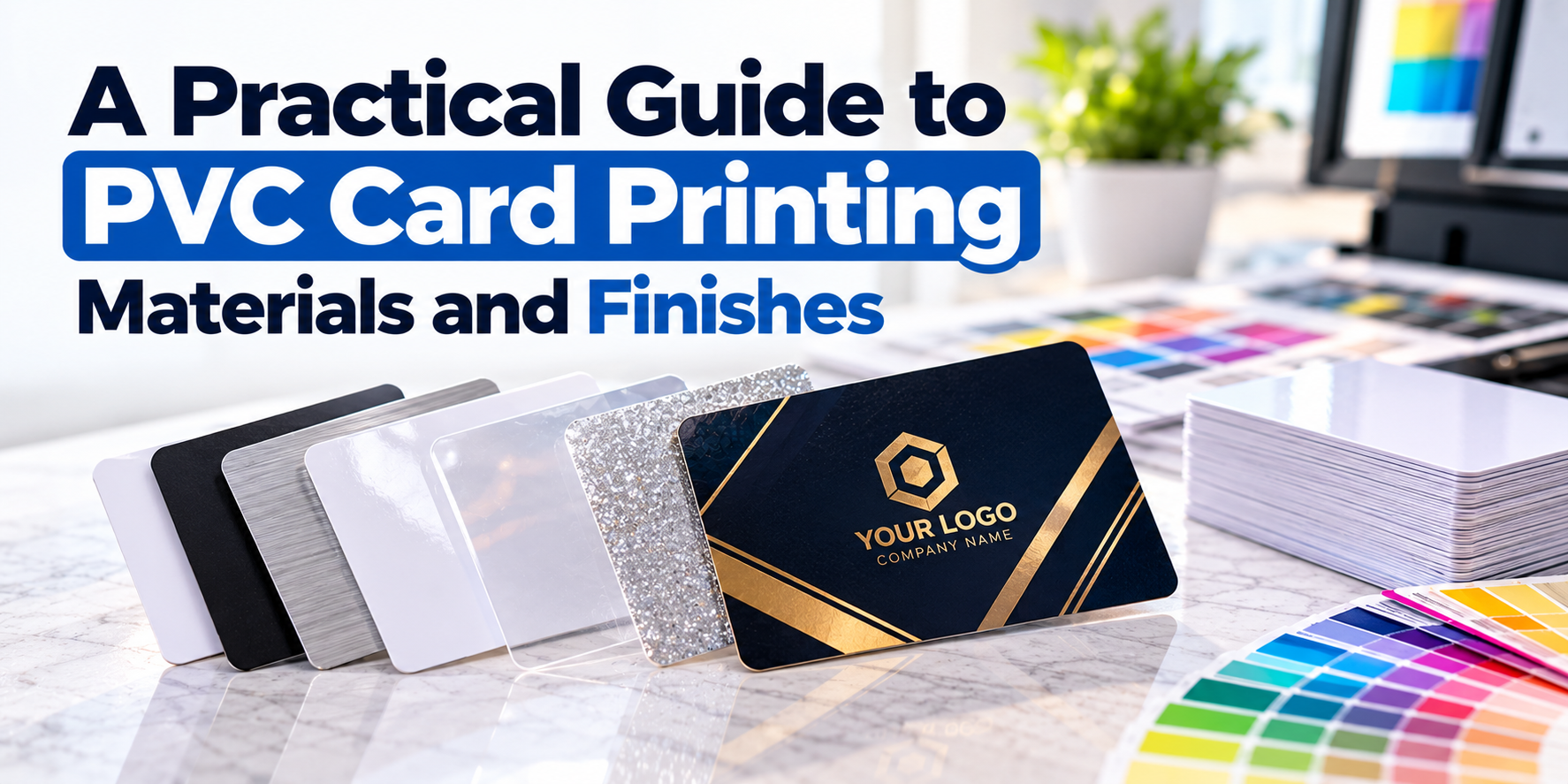
Pick up two cards. One is thin and curls at the corners. The other is solid, smooth, and feels like it cost real money. Same size, same logo. The difference comes down to material and finish, and both are choices you get to make.
This guide breaks down what goes into PVC card printing, which finishes are worth asking about, and how to avoid common mistakes. If you have ever wondered whether PVC business cards are worth the extra step, you are in the right place.
Why PVC Is the Go-To Material
PVC is short for polyvinyl chloride. Perfect Plastic Cards prints on PVC, one of the strongest and longest-lasting plastics on the market today.
Here is what that means in daily use:
- Strength: PVC resists bending and cracking in wallets, pockets, and glove boxes.
- Moisture resistance: Rain, spills, and sweaty hands do not turn it to mush.
- Feel: It has a weight and smoothness that paper cannot match.
- Staying power: It looks good months after paper has gone soft.
There is a people factor too. A sturdy card has perceived value, so customers rarely throw it out or misplace it.
How the Printing Works
Material is half the story. The press matters just as much.
Strong PVC card printing starts with the right equipment. Perfect Plastic Cards prints in four colors, or full color, using litho on Heidelberg machines. That is the same process used for credit card production, not digital thermal printing. The result is sharp detail and steady color from the first card to the last.
There are also no production setup fees, and the focus is on high quality at a low cost. For a small business, that keeps the quote simple.
A Plain English Look at Finishes
A finish is the surface treatment on the card. It changes how the card looks, feels, and handles light. Availability varies by printer, so ask Perfect Plastic Cards which options they offer for your project.
Here are the finishes and add-ons you will hear about most:
- Gloss: Shiny and bright. Colors look rich, though fingerprints show more.
- Matte: Soft and low glare. Easy to read under bright lights.
- Frosted or clear: A see-through look that stands out in a stack of cards.
- Foil stamping: A metallic accent for a logo or a border.
- Embossing: Raised letters or numbers you can feel with your thumb.
- Numbering and barcodes: Useful for gift, loyalty, and membership programs.
- Magnetic stripes: Common on cards that get swiped at a register.
Start with one finish you love, and skip the rest. A clean design usually beats a crowded one.
Thickness Matters Too
Standard credit cards are about 30 mil thick. A thicker card feels more premium. A thinner card bends more easily. Ask about thickness options when you request a quote, then pick the one that suits how the card will be used.
Match Material and Finish to the Job
Different cards have different jobs, so choose accordingly:
- Business cards: A smooth matte or gloss look with a clear logo and contact details.
- Gift cards: Bright, bold color so they look like a real gift, plus space for a number or barcode.
- Loyalty cards: Simple layout, with room to record points or visits.
- Membership cards: Durable and clean, because members carry them every day.
Checklist Before You Order PVC Business Cards
- Decide how the card will be used and where it will be carried.
- Pick one finish and confirm it is available.
- Ask about thickness options.
- Send your best logo file and your exact brand colors.
- Proofread every line of text, then ask someone else to do it.
- Ask about production setup fees (Perfect Plastic Cards charges none)
- Order enough for events, plus extras for surprise meetings.
A Quick Example
A landscaping company wants a card that survives truck cabs and muddy job sites. The owner chooses PVC business cards with a bold logo, one brand color, and a clean matte look. Customers tuck them into kitchen drawers, and months later the card still looks sharp when a yard project comes up.
Tips for Better Results
- Keep text large enough to read at arm’s length.
- Leave space around the edges so nothing feels cramped.
- Use high-contrast colors so your phone number stands out.
- Ask for a proof and read every word before you approve it.
- Store extra cards flat and away from heat.
Conclusion
The right material and finish turn a plain card into something people want to keep. PVC gives you strength, moisture resistance, and a solid feel. A good finish adds the final touch.
With PVC card printing from Perfect Plastic Cards, you get full-color litho quality, no production setup fees, and a card made to last. PVC business cards are a simple way to look established from day one.
FAQs
1. What does PVC stand for?
PVC stands for polyvinyl chloride, a strong and long-lasting plastic used for credit cards and many other cards.
2. Is gloss or matte better?
It depends on your design. Gloss makes colors pop. Matte reduces glare and hides fingerprints better.
3. Are there setup fees?
Perfect Plastic Cards charges no production setup fees.
4. Are PVC business cards worth it for a small business?
For most, yes. They last longer and feel more valuable, so people keep them, and your name stays in front of them.
Ready to Choose Your Materials?
Ready to start your PVC card printing project? Visit the Perfect Plastic Cards website and book your free quote today. Tell them what you need, and they will help you build a card that lasts.